Why Is My Cat Shedding So Much? The Honest Answer From a Three-Cat House
If your cat seems to be shedding more than usual, it's probably normal seasonal molt. Here's how to tell, when to actually worry, and what to do about the rest.

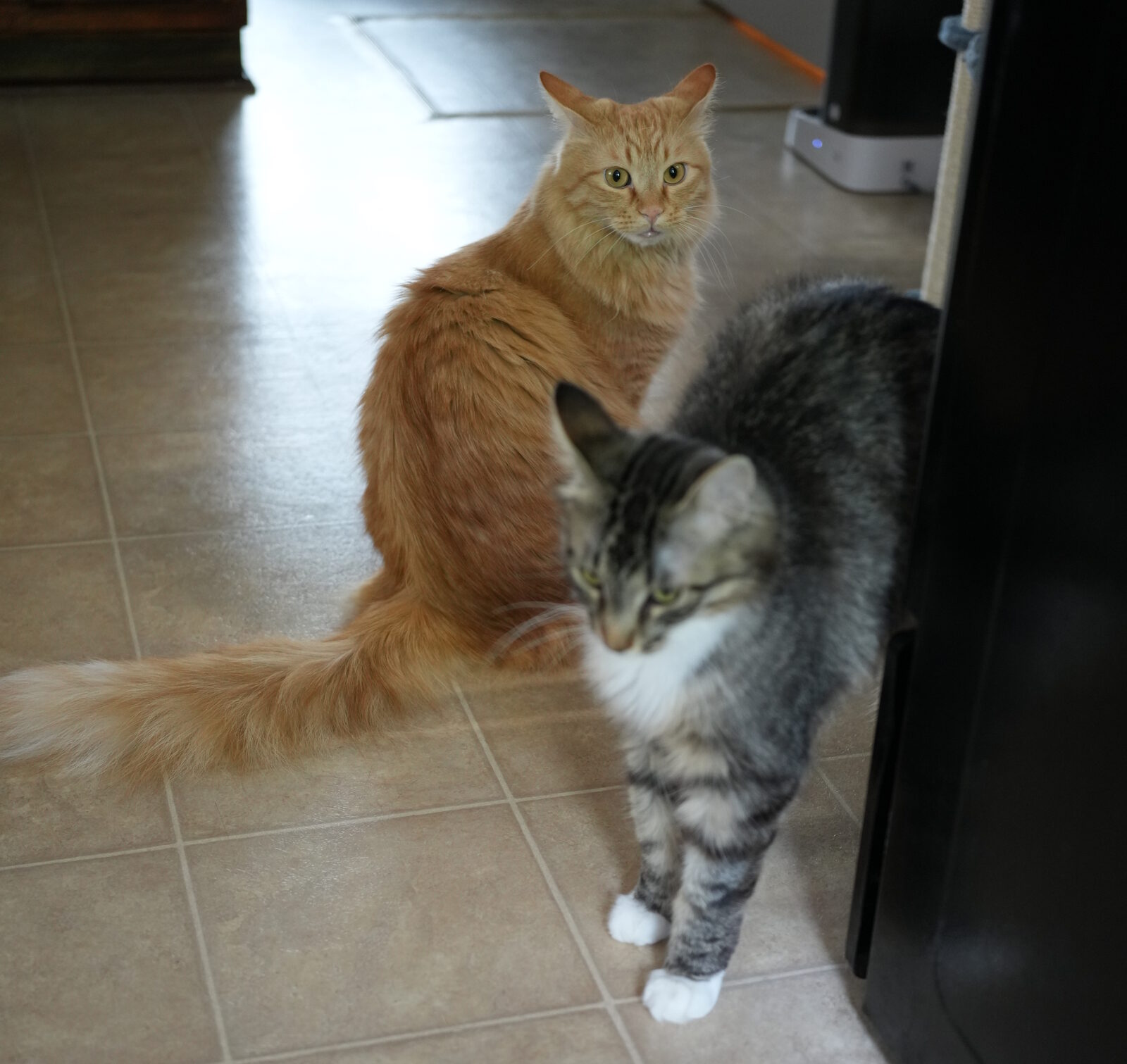
If your cat seems to be shedding more than usual, it's probably normal seasonal molt. Spring and fall are the heavy windows, the rest of the year is a steady drip, and a healthy cat with a healthy coat sheds a lot of hair. The amount of fur coming off Herbie right now would alarm a first-time cat owner. He's fine.
This is part of the main cat hair guide. The 3 reasons people search "why is my cat shedding so much" are usually the same. It's spring or fall and the molt is heavier than they remember, the air in the house is dry and the coat is reacting, or the cat genuinely has a problem and the shedding is the symptom. The first 2 you handle with a brush and a humidifier. The third you handle with a vet. Below is how to tell which one you've got.
What's normal
The honest range of normal cat shedding
Cats shed year-round. That's the first thing to internalize. There's no version of having a cat where the cat doesn't drop hair, and the amount that comes off a healthy cat is more than most people expect. A 5 minute pass with the EquiGroomer on Herbie pulls a softball of undercoat in April. In July it's the size of a tennis ball. In December it's a golf ball. The cat is fine in all 3 cases, the molt cycle is doing what molt cycles do.
Normal looks like this. Hair on your clothes, hair on the couch, a visible tumbleweed under the bed if you skip a vacuum cycle, and a noticeable pile coming off the brush every couple of days. The skin under the coat is even-colored, not flaky, and you can't see through to it. The cat eats normally, plays normally, and grooms itself the same way it always has. Heavy shedding without any of the warning signs in the next section is just a cat being a cat.
Long-haired cats look like they shed more, the volume is higher because each hair is longer. The actual rate of hair loss is similar to a shorthair. Luna sheds about as much hair as Leo does, it just looks like 3 times more because her hair is 3 times the length. The breed-specific guidance is in the long-haired brush guide, the short version is brush more often and worry less about the volume.
Spring and fall
The molt months
Cats shed in cycles tied to day length, not temperature. Photoperiod is the technical word, and it's the cue that drives the spring and fall molts. As days get longer in late winter and early spring, the dense winter undercoat releases. As days get shorter in late summer and early fall, the lighter summer coat sheds to make room for the winter one. Spring is usually the heavier of the 2.
My 2 outdoor rescues, Leo and Luna, both molt hard from late February through May. The undercoat blows out in chunks if I miss a couple of brushings. Leo leaves grey tumbleweeds in the corner of the kitchen, Luna leaves silver ones on the gray couch where I notice them less. By June it slows down. By August it's the steady drip of summer shedding. Then around late September it picks back up for a few weeks of fall molt, lighter than spring but still noticeable.
If your cat seems to be shedding way more than usual and it's March, April, or May, that's why. Same answer in late September and October. The fix isn't to stop the molt, the molt is supposed to happen, the fix is to brush more often during the window so the loose hair lands in the brush instead of in the air.
Indoor differences
Indoor cats shed differently
An indoor cat doesn't get the same photoperiod cue an outdoor cat does. Artificial lighting after dark stretches the perceived day length, climate control flattens the temperature signal, and the result is that indoor cats often don't have a clear molt season. They shed more evenly across the year. The total volume is usually similar, the peaks just blur out.
This is why people with indoor-only cats tend to think their cat sheds constantly while people with outdoor or indoor-outdoor cats see clear seasonal waves. Both are true, the cats are running on different cycles. Herbie has been indoors since he was a kitten and sheds about the same amount in February as he does in May. Leo and Luna spent their early lives outside as kittens before I brought them in, and their bodies still run a strong spring molt even though they live indoors now.
Indoor cats also shed more in winter than outdoor cats do, because of dry air. Forced-air heating in winter pulls indoor humidity down to 20% or lower, the coat dries out, and the rate of hair loss climbs. A $40 humidifier in the room the cat sleeps in is the cheapest fix for winter shedding, and it helps the humans in the house too.
When it's not normal
What's NOT normal cat shedding
Heavy shedding is normal. Heavy shedding with any of these alongside it is not.
Bald patches. Visible skin showing through, especially in symmetrical spots like both flanks or both hind legs. That's not shedding, that's hair loss, and the difference matters. Allergies, ringworm, parasites, and hormonal issues all cause it.
Irritated skin. Redness, scabs, flaking, dandruff, or a greasy texture under the coat. Healthy skin under a shedding coat looks the same color as the cat's belly and isn't flaky. If you part the fur and the skin looks angry, that's a vet visit.
Weight loss or lethargy. Heavy shedding plus a cat that's lost weight or stopped playing can point to hyperthyroidism, especially in older cats. Both my rescues have been cleared for it but it's the first thing the vet checks when shedding picks up in a senior cat.
Excessive grooming. If your cat is licking one spot bald, that's psychogenic alopecia or a skin issue, not normal shedding. The hair on the floor is being pulled out, not falling out. That's also a vet conversation.
None of those are fixed by brushing harder. A brush is for loose, dead hair. Hair that's still anchored to the cat doesn't belong in the brush, it belongs to the cat, and pulling on it makes the underlying problem worse.
What to do
What you can do about normal heavy shedding
Three things move the needle for normal molt-season shedding. None of them are exotic, all of them are cheap.
Brush 2 or 3 times a week with a real deshedder. The single highest-leverage thing you can do. The EquiGroomer 5 inch is what I use on all 3 cats, the wide serrated edge pulls loose undercoat at the tips without dragging skin. 5 minutes per cat, every 2 or 3 days, and the bulk of the molt ends up on the brush instead of on the couch. During spring molt I bump it to daily on the longhairs. The technique is in the FURminator vs EquiGroomer comparison if you want the deeper version.
A humidifier in winter. Dry indoor air dries out cat coats the same way it dries out human skin. Forced-air heating runs humidity down to 20% in most houses in January, getting it back to 40 or 50% slows winter shedding noticeably. I run a single $40 unit in the bedroom where the cats sleep, that's enough.
A decent diet. A cat on cheap kibble with low-quality protein has a duller, drier coat and sheds more visibly. Diet won't stop the seasonal molt, nothing stops the seasonal molt, but it removes one variable. Look for a complete-and-balanced food with real animal protein at the top of the ingredient list and adequate omega-3s. If the coat itself looks dry or greasy, talk to a vet before changing food, because that's a symptom, not a diet problem.
Spring molt reminders, no spam
I send a few emails a year, mostly when something earns a spot or when seasonal molt is about to land and brushing cadence needs to change. Drop your email if you want the updates.
One-tap unsubscribe in every email. See the privacy policy.
The vet line
When to actually worry
The simple rule is, look at the skin and the cat, not the pile of hair. A healthy cat that's leaving a lot of hair around the house in March is just molting. A cat with bald patches, irritated skin, or weight loss is a cat with a problem. The volume of shedding by itself is not a useful diagnostic, it's the other signs alongside it that matter.
Take a cat in if you see any of these. Symmetrical hair loss on both flanks or both hind legs. Scabs or flaky patches you can feel through the coat. Sudden onset of overgrooming, especially the belly. A senior cat (over 10) who's eating more but losing weight, that combination is hyperthyroidism until proven otherwise and the shedding is the visible part. Persistent excessive shedding outside the spring and fall windows in a cat that's normally a steady-drip shedder.
Take them in sooner if you see hair loss plus irritation. Allergies and parasites can both turn into infections fast, and the longer those go untreated the harder they are to fix. Most of these are routine vet visits with cheap fixes, the worst outcome from going in is finding nothing wrong.
Long-haired breeds
Long-haired breeds shed more, by design
Maine Coons, Persians, Ragdolls, Norwegian Forest Cats, and Siberians all shed heavily and all need more brushing than a shorthair. The volume is higher because each hair is longer and the undercoat is denser. Persians are the extreme case, daily line combing is the standard maintenance, not optional.
If you have a long-haired cat and you're searching "why is my cat shedding so much," the honest answer is, your cat is doing what long-haired cats do. The fix is a brushing routine, not a worry. The breed-by-breed cadence is in the best brush for long-haired cats, and the seasonal versions are in spring cat shedding and fall cat shedding. The general playbook for cutting volume is in how to reduce cat shedding.
Herbie is an orange longhair, Luna is a silver longhair, and the brushing kit is the same on both. EquiGroomer every 2 or 3 days, steel comb through the belly and back legs once a week, FURminator only on Leo because the longhairs walk away from it. That's the routine that's kept us ahead of the shedding for 2 years.
Frequently asked
FAQ
Is it normal for cats to shed a lot in spring?
Yes. Spring is the heaviest shedding window of the year for most cats. The thicker winter undercoat releases as days get longer, and what looks like an alarming amount of fur is the cat dropping months of insulation in a few weeks. My 2 longhairs (Herbie and Luna) lose visible amounts of undercoat from late February through May. Brush every 2 to 3 days through the molt and the bulk of it ends up on the brush instead of the couch.
How can I tell if my cat is shedding too much?
Look at the skin, not the pile of hair. Bald patches, scabs, redness, scurf, or thinning in symmetrical spots (both flanks, both hind legs) point to a problem. Heavy shedding with a healthy, even coat underneath is normal molt. Heavy shedding with skin you can see through is a vet visit. Weight loss, lethargy, or excessive grooming alongside the shedding bumps it up the priority list.
What time of year do cats shed the most?
Spring and fall, with spring usually heavier. Spring sheds the dense winter undercoat as days get longer, fall sheds the lighter summer coat to make room for the winter one. Outdoor cats and cats with strong access to natural light show this pattern most clearly. Indoor cats with stable lighting and heating shed more evenly across the year, the peaks blur together.
Do indoor cats shed more than outdoor cats?
Indoor cats don't necessarily shed more in total, they shed more evenly across the year. Outdoor cats get a clear photoperiod cue from sunrise and sunset, so they molt hard in spring and fall and hold a steady coat between. Indoor cats with artificial lighting and climate control don't get that cue, so the shedding stretches out and feels constant. My 2 outdoor rescues (Leo and Luna) molt harder in spring than Herbie, who has been indoors since kittenhood.
Can stress cause excessive cat shedding?
Yes. Stress shedding is real and shows up fast. New environment, a move, a new pet, vet visits, even a holiday with strangers in the house can spike a cat's shedding for a few days. The hair often comes out in handfuls when you pet them. It usually settles within a week of the stressor ending. If your cat is also overgrooming (licking the same spot bald), that's a vet conversation, not a brushing problem.
Does diet affect how much a cat sheds?
Yes, but less dramatically than the internet suggests. A cat on a quality complete-and-balanced diet with adequate omega-3s and protein has a healthier coat that sheds normally. A cat on a cheap kibble with poor protein quality often has a duller, drier coat that sheds more. Switching foods won't stop seasonal molt, it just removes one variable. If the coat looks dry or greasy, talk to a vet before swapping foods.
Should I take my cat to the vet for shedding?
Not for normal heavy shedding. Take them in if you see bald patches, irritated or flaky skin, scabs, weight loss, lethargy, excessive grooming, or symmetrical thinning on both flanks or both hind legs. Those point to allergies, parasites, hormonal issues (hyperthyroidism is common in older cats), or skin infection, none of which a brush fixes. A regular shedding cat with healthy skin underneath is a normal cat.
Why is my cat shedding in winter?
Indoor cats often shed in winter because of dry air and steady artificial lighting. The forced-air heating in most houses pulls humidity down to 20% or below, which dries out the skin and the coat and increases the rate of hair loss. A humidifier helps. Long-haired cats and cats sleeping near vents shed more in winter than you'd expect from a cat that should still be holding its winter coat.
How much shedding is normal for a long-haired cat?
More than a shorthair, and visibly more during spring molt. A 5 minute pass with the EquiGroomer on Herbie pulls a softball-sized pile of loose undercoat in spring, less than a tennis ball in summer. Long-haired breeds (Maine Coon, Persian, Ragdoll, Norwegian Forest, Siberian) all shed heavily and need brushing every 2 to 3 days year-round, daily during molt. The fur volume looks alarming because long hair compounds, the actual rate of hair loss is similar to a shorthair.
Shedding is the part of cat ownership that nobody warns you about until you're vacuuming for the third time in a week. The seasonal pieces are spring cat shedding and fall cat shedding, the playbook for cutting the volume is in how to reduce cat shedding, and the brush I keep coming back to is in the EquiGroomer review.
How I know
The basis for this page
3 cats, 2 outdoor rescues
Herbie (orange longhair, indoor since kittenhood), Leo (grey tabby shorthair, outdoor rescue from the backyard), Luna (silver longhair, his sister, also a backyard rescue). Three coat types, two histories of strong outdoor photoperiod cues.
2 years of seasonal notes
Tracking shedding volume per cat across spring, summer, fall, and winter. The differences between Leo's even year-round shed and Herbie and Luna's strong spring molt are observed across multiple cycles, not 1.
Cross-checked vet guidance
The "what's not normal" list is cross-referenced against standard veterinary guidance on bald patches, hyperthyroidism, psychogenic alopecia, and parasitic skin disease. This page is not medical advice. If your cat shows the warning signs, see a vet.