Your Sheets Are Collecting Cat Hair Because the Fabric Is Wrong
I replaced everything on my bed in a weekend. Here's why, and which fabrics actually repel cat hair instead of grabbing it.
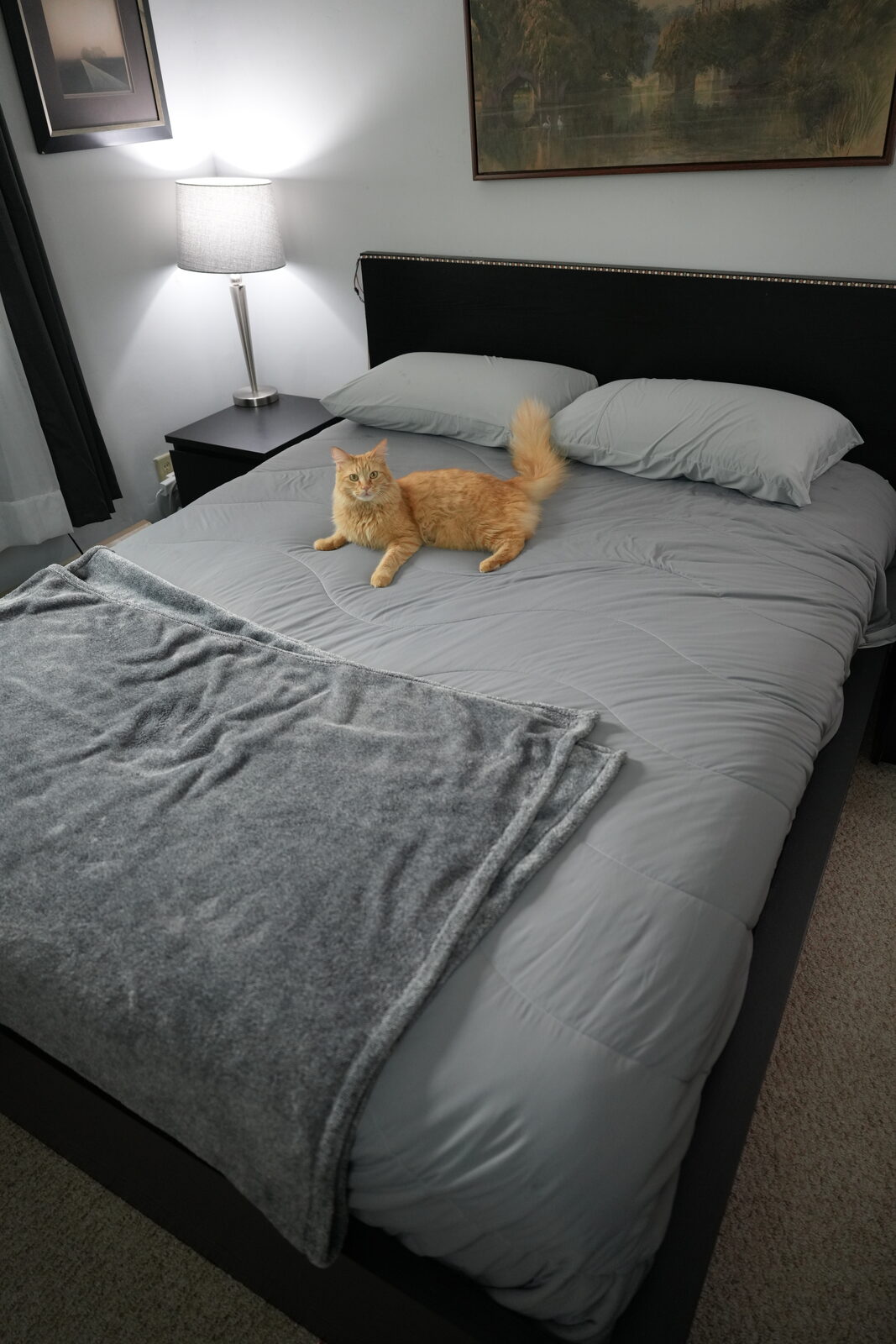
If your sheets look clean out of the wash and then somehow show cat hair again before you climb into bed, the fabric is the problem. Different sheets aren't a luxury upgrade, they're the fix.
I lived with a cotton-poly comforter for years that pilled and grabbed hair. The pillowcases were worse, brushed microfiber, which is the worst common bedding fabric for cat hair, full stop. I replaced the whole bed in a weekend. Wasn't cheap, but my 3 cats hadn't changed and the bed suddenly looked clean. A year in, still using it.
The problem
Why your current bedding is the problem
Cotton-poly is the default cheap bedding. Durable, washes fine, $30 a set, which is why most beds have it. It's also bad at cat hair. The weave is loose, the polyester builds static, and static pulls hair toward the fabric instead of letting it slide off.
Brushed microfiber is worse. That fuzzy finish that feels cozy is a layer of lifted micro-fibers up close, and every cat hair gets multiple anchor points to hook into. If you've ever pulled a pillowcase out of the dryer still covered in hair, this is why. The fabric just keeps the hair through a full wash.
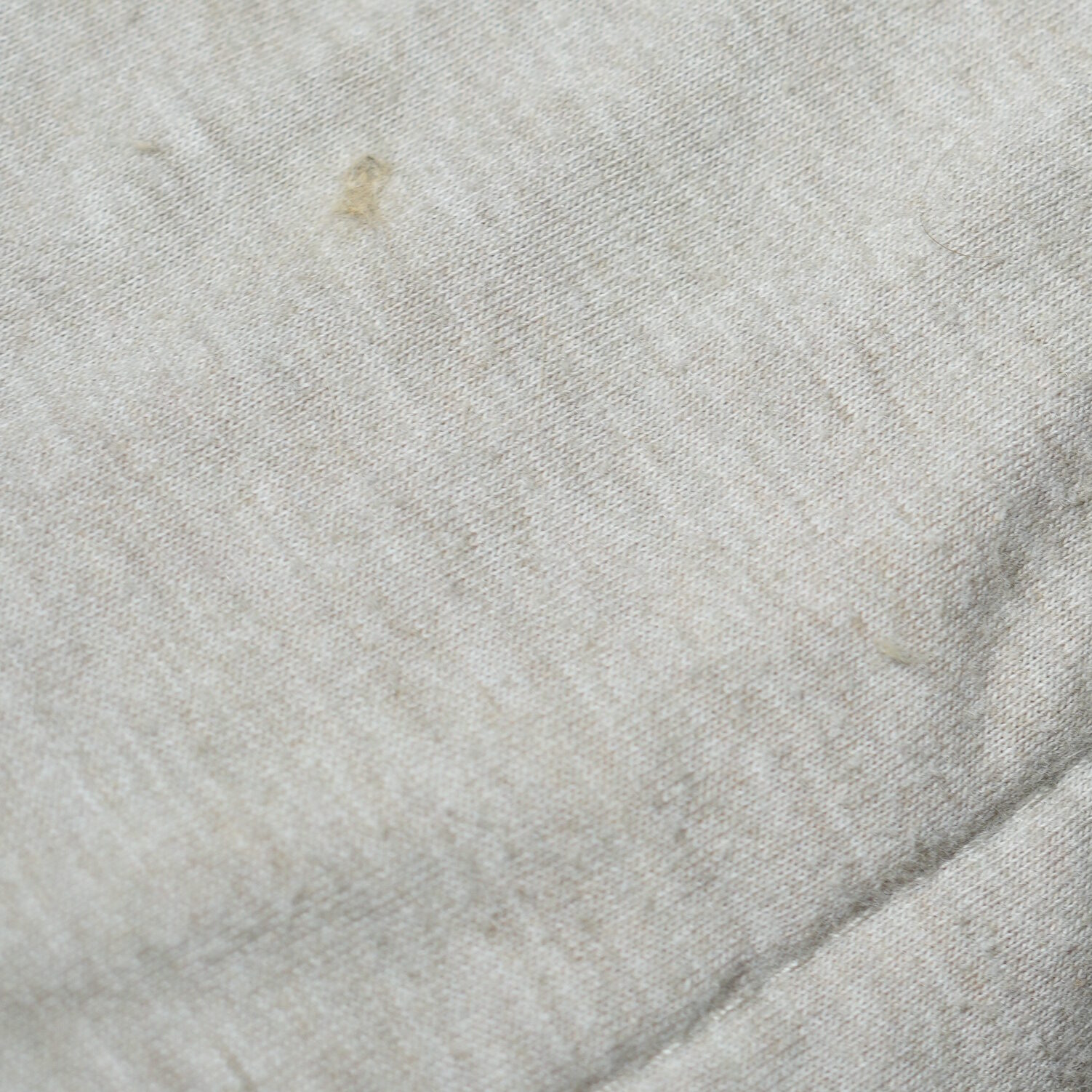
My old comforter was 60/40 cotton-poly. It pilled, it grabbed hair, hair never brushed off clean. The cotton macro shot below shows what was happening at the fiber level, every loose end is a hook.
Fabric science, simplified
What repels cat hair
Smooth and tightly woven is the entire game. Hair has a harder time embedding when there are no little fibers for it to hook onto, and a low-static fabric won't actively pull hair toward itself the way a polyester blend will.
What works in practice:
- Nylon and polyamide (the REST family). Slick, low-friction, low-static. Hair barely sticks at all.
- Bamboo with a sateen finish. Naturally low-static, smooth surface. Avoid fuzzy or brushed bamboo blends.
- Eucalyptus and Tencel. Same family as bamboo, also smooth and low-static.
- High-thread-count percale cotton. Tighter weave than basic cotton-poly. Crisp rather than silky, but hair brushes off.
- Sateen-weave cotton (300+ thread count). A denser weave creates a smoother surface than a standard plain weave.
What to avoid:
- Brushed microfiber. The worst common offender by a comfortable margin.
- Loose-weave cotton-poly blends. The default cheap-bedding fabric.
- Velvet, chenille, fleece. Anything with a deep nap or pile.
- Flannel. Soft for winter, terrible for cat hair.
None of this means hair will never land on the bed. It means the hair brushes off instead of becoming part of the bed.
Quick rule of thumb: if the fabric feels fuzzy when you run your finger across it, it will hold cat hair. If it feels slick and cool, it will let hair go.
The visual difference
Cotton vs slick weave, up close
Same problem under a macro lens. Old cotton-poly sheet on the left, REST Evercool nylon on the right. Photographed from the same distance, same lighting.
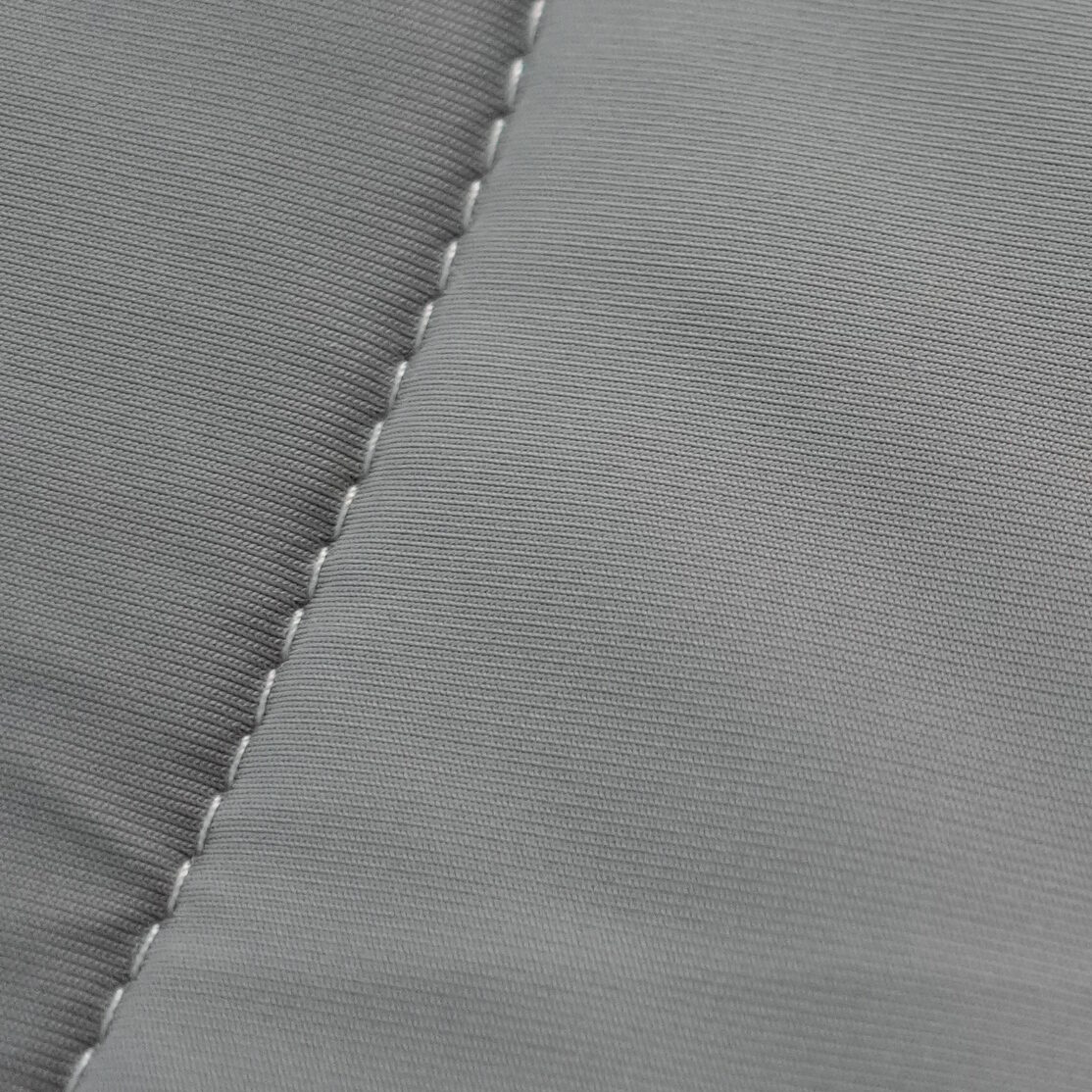
You don't need a macro lens to feel it. Run a finger across each. The cotton drags, the REST glides. Cat hair behaves accordingly.
Comforter • Top pick
REST Evercool Comforter
This is the comforter I bought. Both sides are the same Evercool nylon blend, so hair doesn't catch when you flip it, and that turns out to matter. Hair still lands on it, but it brushes off the way it never did on my old comforter.
The fabric is anti-snag and anti-pilling, which matters when 3 cats knead it or drag claws across it climbing onto the bed. REST quotes a Qmax cool-touch rating of 0.36 for the Evercool fabric vs roughly 0.11 for cotton. Easy to dismiss as marketing copy, but the cool feel when you first get under it is obvious.
Two real caveats. It's thinner than a traditional comforter, closer to a substantial blanket than a duvet, so in cold weather you want a second layer. And the slick fabric slides on slick sheets. Either get a duvet cover with some grip or just accept you'll tug it back once a night.
Pros
- Hair brushes off, doesn't embed
- Anti-snag against claws. No pulled threads after months
- Measurably cooler than cotton (Qmax 0.36 vs ~0.11 cotton)
- Antimicrobial silver yarn (their claim, can't independently verify)
Cons
- Thinner than a traditional comforter
- Slides on slick sheets
- Premium price (~$170 queen)
Sheets • Top pick
REST Evercool+ Sheet Set
The comforter only solves half the bed. I bought the matching sheets a few weeks later and the difference was bigger than I expected.
They're nylon and spandex, stretchy, smooth, and a lot cooler than the stiff cotton sheets I had before. The fitted sheet has deep pockets and a wide elastic band that stays put even after a cat sprints across the bed to a window.
The hair difference is what I'm here for. My old cotton sheets felt heavy and grabbed hair on contact, the brushed microfiber pillowcases were the worst, they held everything that touched them. These sheets don't do that. A quick brush of the hand and most of what landed is gone.
The full setup is expensive, no pretending otherwise. The queen sheet set is $220 MSRP and the comforter is $170, so you're spending close to $400 to redo the bed. If you're washing bedding twice a week because it's covered in hair, the math works. If you can live with a few visible hairs, bamboo sateen at half the price is a fine compromise.
Pros
- Slick surface. Hair doesn't embed
- Deep pockets and a wide elastic band stay in place
- Cooler than cotton, by a lot
- Stretchy enough to fit deep mattresses with toppers
Cons
- Expensive, especially as a full set (~$220 queen)
- Slick feel may take some getting used to
- Comforter can slide on top. Wants matching sheets or a duvet cover
Budget
Budget alternatives
You don't have to buy premium cooling fabric to fix this. The cheaper rule is the same: smooth and tightly woven.
- Bamboo sateen sheets ($40 to $60). Cariloha, California Design Den, and Ettitude all sell decent options. Avoid bamboo blends labeled "brushed" or "ultra-soft." That's bamboo trying to feel like microfiber, which means it now grabs hair like microfiber.
- Percale cotton sheets ($50 to $80). Tighter weave than basic cotton-poly. Brooklinen, Snowe, and L.L. Bean all sell percale sets that hold up. Percale is crisp, not silky, and feels like a hotel sheet. Hair brushes off because the surface is dense.
- Sateen cotton (300+ thread count). Denser weave creates a smoother surface than a 200tc plain weave. Less slick than nylon, more breathable than microfiber.
What I'd skip is brushed microfiber, full stop, if cat hair is the problem you're trying to solve. Feels nice in the store. That brushed surface is exactly why hair sticks around.
For the laundry side of the equation, the blankets and bedding section in the surface-by-surface guide covers the dryer-tumble trick and how to use a FurZapper disc on cat-coated bedding before it ever hits the wash.
Smallest, highest-impact swap
Just replace your pillowcases first
If replacing the whole bed is too much, start with pillowcases. They touch your face, they show hair immediately, they're the cheapest piece to swap. A pair of satin pillowcases runs $15.
Satin, bamboo sateen, mulberry silk, or smooth nylon pillowcases all beat brushed microfiber for cat hair. Silk is gentler on hair and skin too if that matters. Not glamorous advice. It just works.
Less hair on the bed in the first place starts with brushing the cat. The deshedding tool that pulls fur fastest with the least drag is covered in the FURminator vs EquiGroomer comparison.
More bedding picks coming
I'm still testing more pillowcases, mattress protectors, and slick blanket throws. Drop your email if you want updates when something earns a spot here.
One-tap unsubscribe in every email. See the privacy policy.
Frequently asked
FAQ
What fabric is most resistant to cat hair?
Smooth, tightly woven fabrics. Nylon, polyamide, satin, bamboo with a sateen finish, and high-thread-count percale cotton all let hair brush off rather than embed. Brushed microfiber is the worst common offender. Its napped surface gives every hair a place to hook on.
Are bamboo sheets good for cat owners?
Yes, if the bamboo has a smooth sateen finish. Avoid bamboo blends labeled "brushed" or "ultra-soft." Those are bamboo trying to feel like microfiber, and they grab hair the same way.
Why does brushed microfiber hold so much cat hair?
The brushed surface is a layer of lifted micro-fibers, giving cat hair countless places to hook onto. Even after washing, hair often stays embedded. The same fabric is also static-prone in dry air, which actively pulls more hair in.
Do I need to replace all of my bedding to see a difference?
No. Pillowcases are the cheapest and highest-impact swap because they touch your face and show hair immediately. Replace those first if budget is tight. Switch from brushed microfiber to satin, bamboo sateen, or nylon.
Is percale or sateen better for cat hair?
Either works, with caveats. Percale is a tight 1:1 weave and feels crisp. Hair brushes off but the surface has more friction than sateen. Sateen is smoother and slipperier. Hair barely sticks at all, but the surface can snag if a cat catches it with a claw.
Will a duvet cover protect my comforter from cat hair?
It can, if the duvet cover itself is the right fabric. A brushed microfiber duvet cover is just a microfiber hair magnet wrapping a comforter. A nylon, sateen, or percale duvet cover lets hair brush off and protects what's underneath.